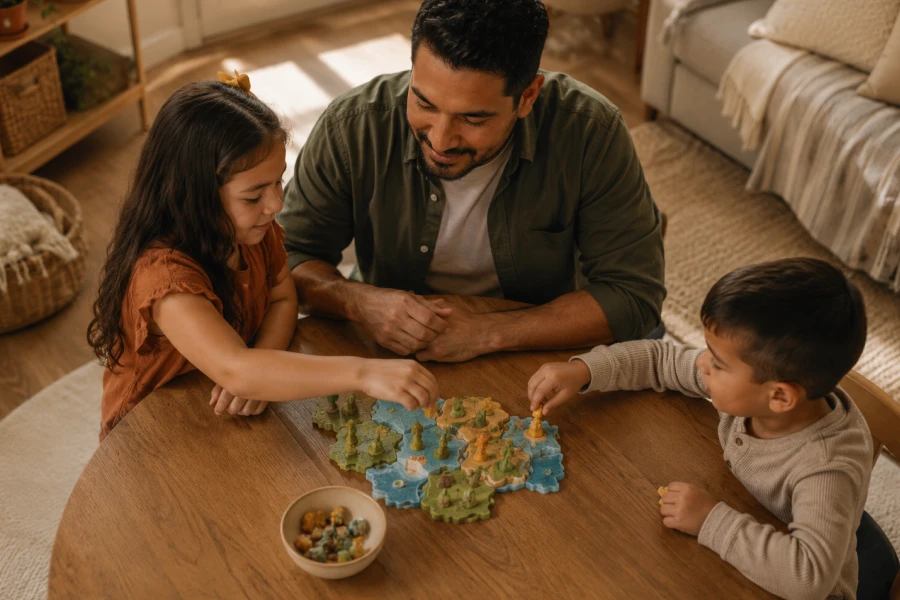
Fairness can become the loudest word in a house with more than one child. sibling rivalry solutions work best when parents stop treating fairness as perfect sameness. Children need different kinds of attention, boundaries, and support. They also need reassurance that love is not running out. Rivalry grows when kids compete for identity inside the family. It softens when each child feels known. Parents can create that shift with steady routines, calmer scripts, and repair-focused responses. The result is not a conflict-free home. It is a home where conflict does less damage.
Children compete hardest when they feel uncertain about their place. One child may worry the baby gets more affection. Another may resent the older sibling’s freedom. A third may feel invisible because their needs seem easier. Parents can answer those fears with specific attention. Ten minutes of focused time often changes a child’s behavior dramatically. A structured child behavior support plan helps families notice these emotional roots. Belonging reduces comparison. It gives children less reason to fight for proof. Calm connection often prevents the next argument before it starts.
Equal means everyone receives the same thing. Fair means everyone receives what fits the moment. Children usually understand this difference when parents explain it clearly. One child may need help with homework. Another may need quiet time after school. Someone else may need coaching before a playdate. Parents can say, fairness means I care about each person’s need. That phrase lands better than defending every choice. It also teaches children a life skill. Real fairness includes flexibility, context, and compassion.
Many fights cluster around predictable moments. Mornings feel rushed. Mealtimes bring fatigue. Screen transitions create disappointment. Shared toys become status symbols. Once parents map these triggers, they can prepare the family earlier. Visual cues, turn-taking plans, and reset rituals reduce surprises. Families using parenting visual aids give children something concrete to follow. This matters because stress makes memory weaker. A visible reminder can do what another lecture cannot. Prepared children argue less intensely because the rules feel predictable.
Labels may seem harmless, but they shape sibling roles quickly. The responsible one becomes resentful. The wild one stops trying. The sensitive one feels handled. The easy one gets overlooked. Parents can replace labels with observations. Instead of saying bossy, say you have many ideas right now. Instead of saying dramatic, say your feelings are very big. This language protects identity. It also leaves room for growth. Children behave better when they do not feel trapped inside family shorthand.
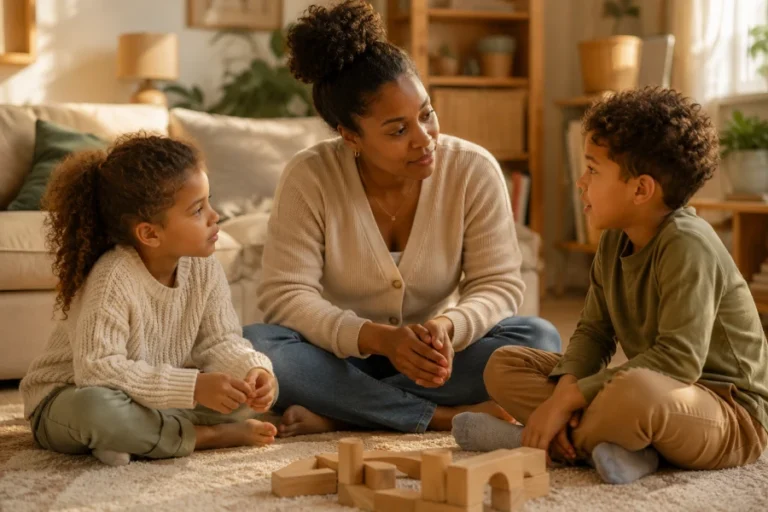
An apology matters, but it should not become a forced performance. Repair works better when children understand impact. A parent might ask what can help your sibling feel safe again. That question moves beyond saying sorry. It invites action. A child may return a toy, give space, rebuild a block tower, or choose kinder words. Families practicing conflict coaching for children treat repair as skill-building. Children learn that mistakes do not end connection. They also learn that connection requires responsibility.
The best approach is the one parents can repeat on tired days. It should be simple enough for chaotic mornings and flexible enough for different ages. Parents can keep three priorities in mind: safety, understanding, and repair. Those priorities organize the response without creating pressure for perfection. A positive discipline approach helps families stay firm without becoming harsh. Children need boundaries that protect everyone. They also need adults who believe they can learn. With time, rivalry loses its power to define the relationship.


Leave a comment