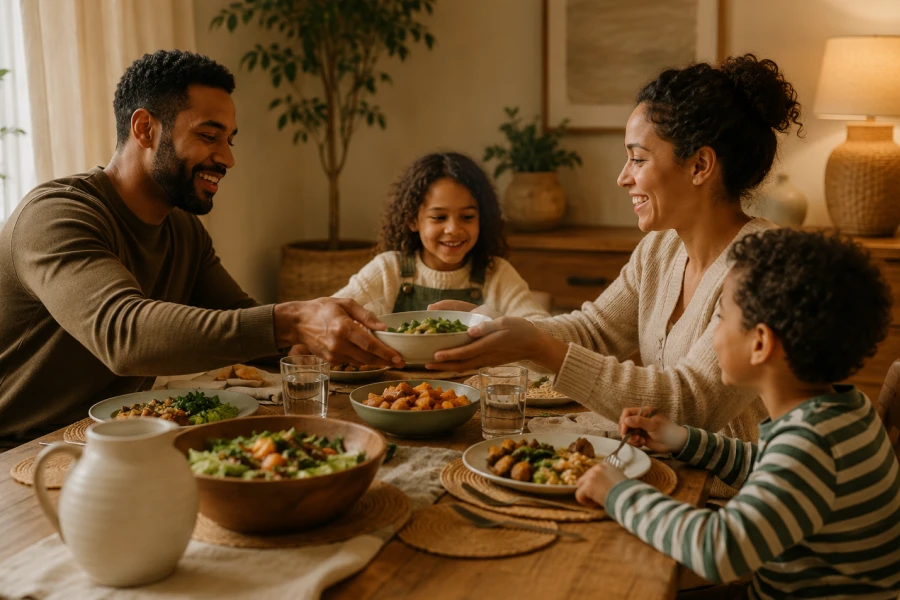
Parents often remember the rejected broccoli more vividly than the brave strawberry bite. kids food habit tracker shifts attention toward progress that usually gets missed. It helps families see patterns without turning food into a scorecard. Children can celebrate effort, variety, and curiosity. Parents can notice what works during easier meals. This matters because food habits grow through small repetitions. A visible record can reduce worry and guide better choices. It also keeps the focus on encouragement. When progress becomes visible, mealtime feels less like guessing.
Food behavior often looks random until parents track it gently. A child may eat better after outdoor play. Another may try new foods at lunch, not dinner. Someone may reject crunchy textures when tired. These details matter. A simple record helps parents adjust without blaming the child. Families using balanced plate habits can observe progress across days. Tracking should feel light. It should inform choices, not create pressure. Patterns help parents support children with more confidence.
The best markers reward curiosity instead of clean plates. Notice when a child smells a new food. Notice when they place it near familiar food. Notice when they help prepare it. Notice when they describe texture or flavor. These moments build comfort before eating happens. Parents can choose three or four markers that match the child’s age. Keep the language positive. Avoid grades, shame, or comparisons between siblings. The goal is confidence, not performance. Food learning should feel possible.
Picky eaters often need proof that progress exists. Parents need that proof too. A tracker can show that a child tolerated peas nearby, touched hummus, or accepted a new sandwich shape. These steps sound small, but they matter. They lower sensory uncertainty. They build familiarity. A family using kid friendly food ideas can rotate options with less stress. The record helps parents avoid repeating only the safest foods. It also prevents discouragement from taking over the meal plan.
Tracking can backfire when children feel watched or judged. Keep it private when needed. Use neutral marks instead of dramatic praise. Let older children participate if they enjoy ownership. Skip tracking during stressful meals. Return when the tone feels calm again. A supportive healthy snack planning rhythm can make recording feel practical. Parents should track trends, not every bite. The information should reduce pressure. When tracking creates tension, simplify the system immediately.
Small observations can guide smarter planning. If a child tries new foods earlier, offer exploration at lunch. If crunchy foods work better than soft foods, build from that strength. If hunger is too low at dinner, adjust snacks. If fatigue narrows choices, keep evening meals familiar. Parents can use patterns without making the child a project. The record becomes a tool for kindness. It helps adults respond to reality. Better choices come from noticing what already works.
Food confidence grows when families can see effort clearly. Children feel proud when they notice small steps. Parents feel calmer when they see the larger pattern. This confidence supports variety, patience, and realistic expectations. A positive food routine becomes easier to maintain when progress is visible. Families stop measuring success by one difficult dinner. They begin seeing the story across weeks. That perspective makes healthy eating feel more human, flexible, and sustainable.


Leave a comment